What is lumbar disc herniation?
Many conditions cause lower back pain, including lumbar strain (sprain), vertebral fractures, osteoporosis, spinal stenosis, disc herniation, and spinal deformity. Among these, disc herniation is a relatively common condition, which is what we commonly refer to as a 'slipped disc.' This disc is strong connective tissue that connects vertebrae to each other and is composed of a central nucleus pulposus (gel-like component) and the annulus fibrosus (a tougher, fibrous band) that surrounds it. Both 'disc' and 'intervertebral disc' refer to the same structure and are normal tissues in our body that play an important role in lower back function. Disc herniation is a condition caused by degenerative changes (aging) in the disc. When the annulus fibrosus surrounding the nucleus pulposus ruptures, the nucleus pulposus or annulus fibrosus protrudes or herniates into the spinal canal, compressing nerves and causing lower back pain, pelvic pain, or leg pain.
Why does it develop?
The nucleus pulposus and annulus fibrosus normally consist of about 80% water and contain glycosaminoglycans (proteoglycans). During the normal aging process, the glycosaminoglycans in the nucleus pulposus and annulus fibrosus decrease (to about one-fifth of levels in young people by the 70s), and water content drops to about 70%. In other words, soft tissue becomes harder and drier. During this process, the nucleus pulposus becomes similar to the annulus fibrosus. When degeneration occurs, cracks develop in the annulus fibrosus. Additionally, the nucleus pulposus is located slightly toward the back center, and the rear portion of the annulus fibrosus is thinner and relatively weaker. Through these gaps, the nucleus pulposus in the center can leak out and press on nerves, causing lower back pain, leg pain, or leg numbness. This is what we commonly call a slipped disc.
Factors that promote this degeneration include overuse and improper use of lower back muscles and ligaments, obesity, and smoking.
How is it diagnosed?
To treat lumbar disc herniation, an accurate diagnosis identifying the cause among many possible causes must come first. This requires accurate assessment of the patient's symptoms along with a physical examination. If pain develops in the leg when lifting the leg with the knee extended while lying down, or if there is a pulling sensation in the leg when bending forward at the waist, lumbar disc herniation should be suspected. In most cases, a medical history and physical examination are sufficient. Depending on the situation, if more precise diagnosis is needed, an MRI can be performed. Electromyography (EMG) may be necessary to differentiate from other conditions.
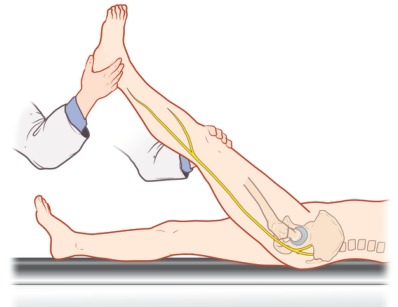
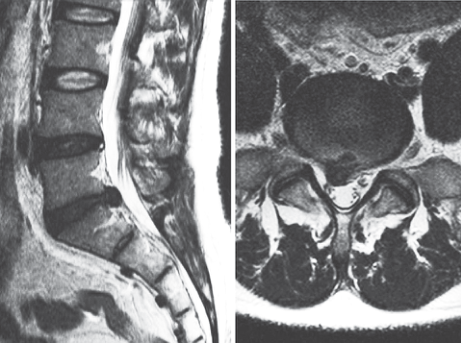
Figure 1: Pain occurs when the herniated disc compresses the nerve.
How is it treated?
In most patients (80-90%), symptoms improve even without surgery. In other words, symptoms often disappear with simple rest alone, and there is a tendency for improvement over time. Treatment methods are broadly divided into conservative (non-surgical) treatment and surgical treatment. When selecting a treatment method, several factors must be considered including the duration of symptoms, severity of pain, frequency of recurrence, the patient's occupation, age, gender, and workload.
How is conservative treatment performed?
Generally, if there is no leg paralysis or if bowel/bladder function is normal, treatment is pursued without surgery for approximately 3 months. Methods include medication such as non-steroidal anti-inflammatory drugs (NSAIDs), muscle relaxants, and pain relievers; bed rest for a short period (2-3 days); supportive devices; and physical therapy. Injection treatment can also be attempted, where medications are injected directly around the herniated disc or nerve. Additionally, when pain resolves, abdominal and back exercises should be performed to strengthen lower back muscles. Aerobic exercises such as cycling, swimming, hiking, and light jogging are recommended. It is important that regardless of the type of exercise, if pain develops or worsens during exercise, that exercise should be avoided. During the acute phase, massage or manual therapy (commonly called chiropractic) should be avoided.
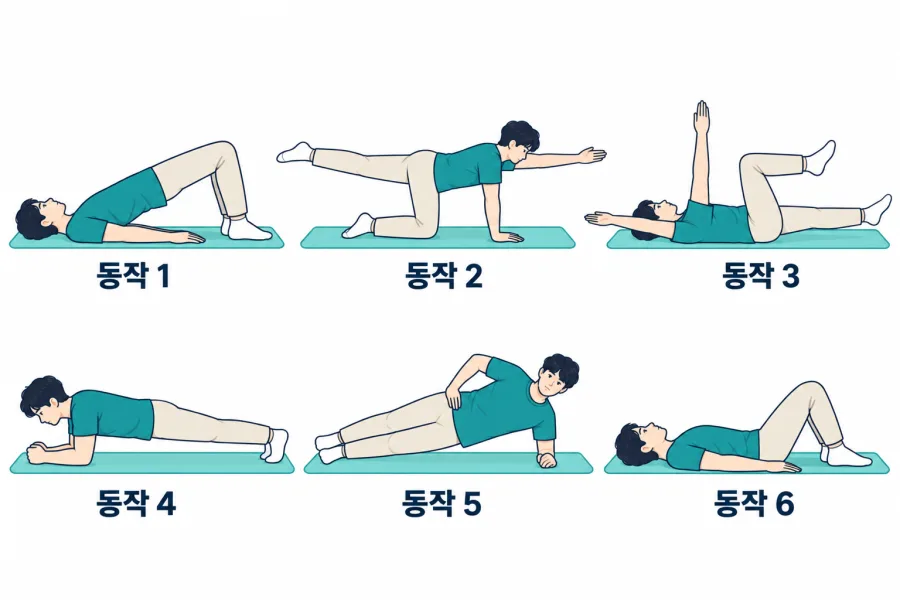
Figure 2: For patients with a herniated lumbar disc, core stabilization exercises are safe: they strengthen the deep muscles of the abdomen, back, and hips by holding a position rather than moving the spine through a large range. Sit-ups in which you pull on your neck with your hands, and flexion exercises that bend the lower back far forward, can actually make symptoms worse during the acute phase or in the early stage of a herniation, so they are best avoided.
When is surgery necessary?
People often say that back surgery should be avoided if at all possible. However, surgery is performed in some patients. Surgery may be necessary if there is no improvement in pain despite 6-8 weeks of conservative treatment, if there is leg paralysis, if intolerable pain makes normal daily activities difficult, or if the disc herniation has caused loss of bowel or bladder control.
Surgery proceeds by removing the protruding disc to relieve nerve compression. Open disc removal is the most common method, involving a small skin incision of less than 5 cm to directly remove the disc that has ruptured and is compressing the nerve. This is comparable to common surgeries such as appendectomy or hernia repair. Recently, minimally invasive spine surgery techniques have been developed that use surgical microscopes, endoscopes, and lasers to reduce damage to normal tissues and allow for faster recovery after surgery. However, these techniques do not apply to all cases and should be limited to appropriate cases to be effective.
How can it be prevented?
Most lower back pain results from disc degeneration due to aging. While we cannot reverse this degeneration, we can slow it down relatively. Although the body is generally considered aged after age 60, disc degeneration in the lumbar spine begins in the late teens. Therefore, although rare, disc herniation can occur even in adolescents.
First, through regular exercise to strengthen the lower back muscles, you can build a strong and flexible lower back and reduce stress on the lower back. Second, you should practice proper lifting and handling techniques in daily life to avoid straining the lower back. Third, you should maintain an appropriate body weight. Being overweight can stress muscles and ligaments, leading to lower back pain. Fourth, you should avoid smoking. Finally, you should maintain good posture when standing or sitting. In particular, posture with a rounded back is bad for the muscles and increases disc pressure, worsening symptoms of disc herniation and should be avoided. When sitting in a chair, try to sit deep in the chair with your back extended.
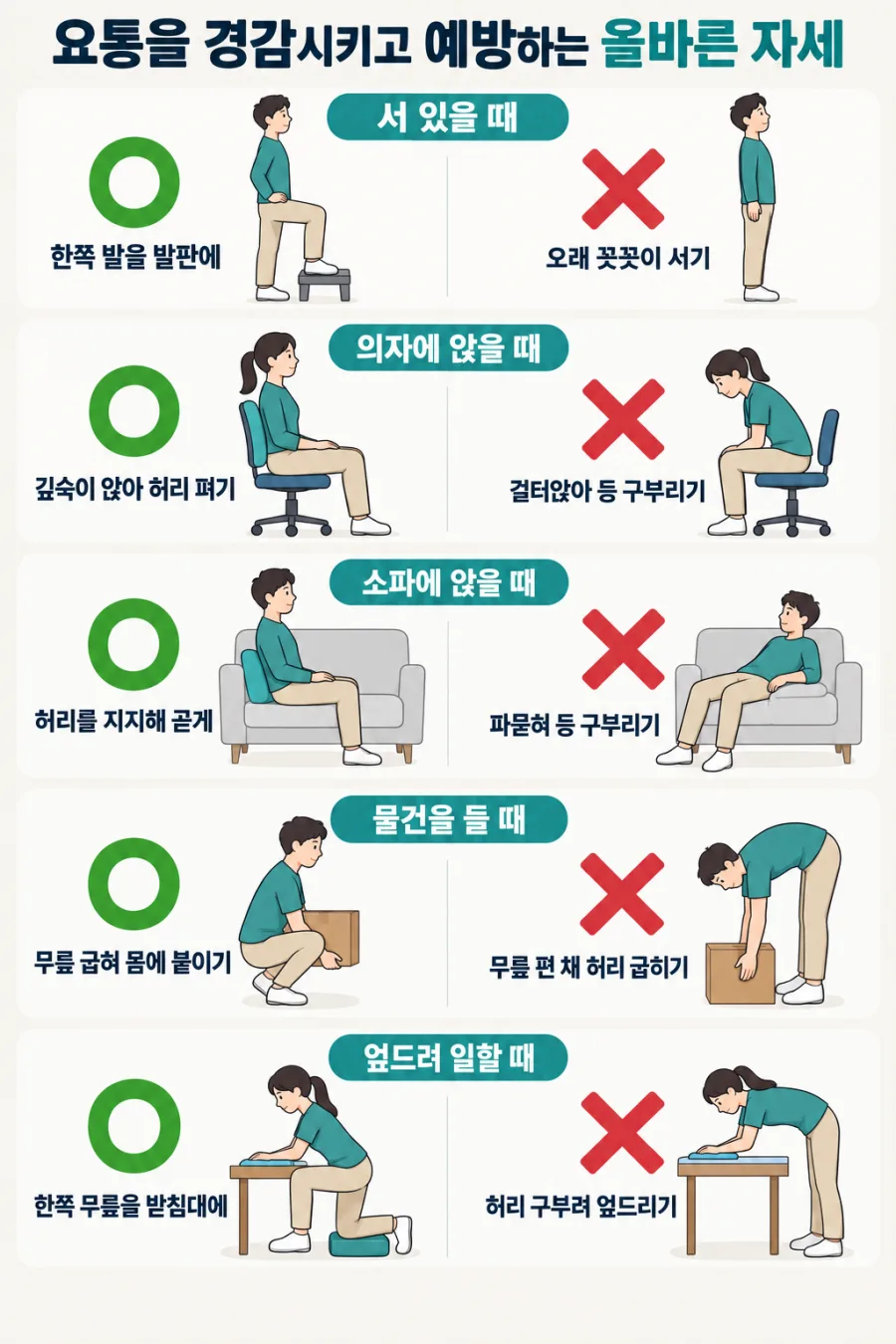
Figure 3: Proper posture and sitting habits, along with lifting objects without straining the back, help prevent lower back pain.
Medical review: Lumbar Spine Research Society · Provided by the Korean Society of Spine Surgery